

KOMET was the first Phase 3, multicenter, international trial in adults with NF1 PN, with a parallel, randomized, double-blind, placebo-controlled design.2
KOMET was designed to evaluate the efficacy and safety of Koselugo in 145 adults with NF1 and symptomatic, inoperable PN.2
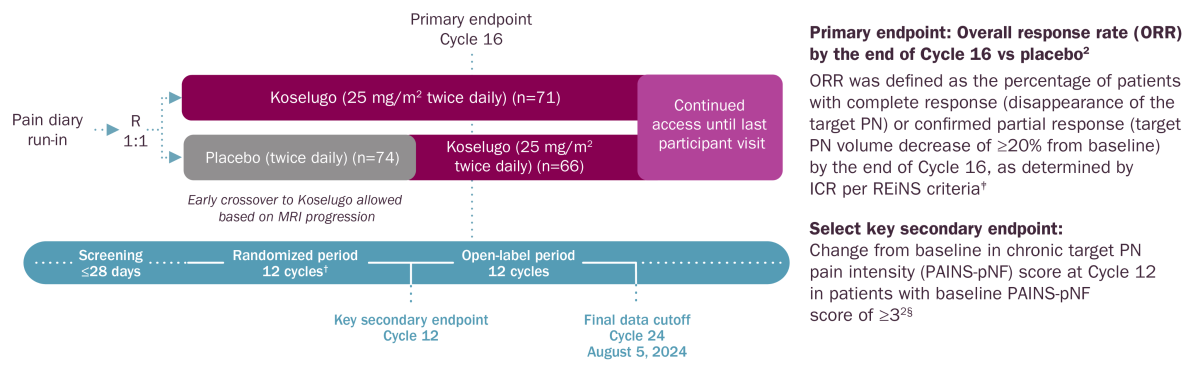
‡Response was confirmed by a consecutive 3D MRI scan within 3 to 6 months after the first response.2
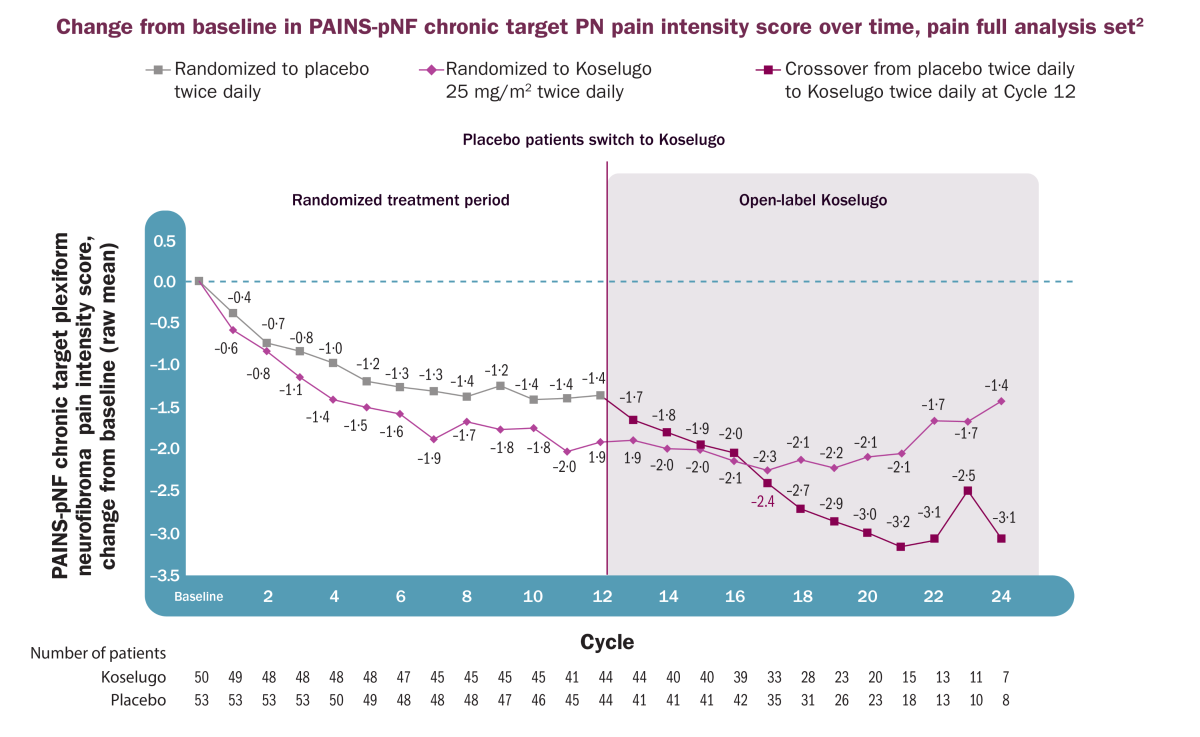
§PAINS-pNF is a validated NF1 PN–specific adaptation of the NRS-11 scale developed by the NCI. The PAINS-pNF scale is designed to assess both episodic and chronic pain related to NF1 PN separately. Participants rate their pain on a scale from 0 (no pain) to 10 (worst possible pain), considering pain spikes and usual chronic pain in a specific tumor location using 2 separate scales.2,3
- ≥18 years of age with NF1 and symptomatic, inoperable PN
- A completed PAINS-pNF diary with a documented chronic target PN pain score on ≥4 of 7 days over ≥2 weeks during screening
- Stable chronic pain medication at baseline
- Naïve to mitogen-activated protein kinase inhibitors
- Confirmed or suspected malignant glioma or malignant peripheral nerve sheath tumor (MPNST)
- Receipt of the last dose of systemic PN target treatment within 4 weeks or 5 half-lives, whichever is longer, prior to the first dose of study intervention
- Received radiotherapy in the 6 weeks prior to the start of study intervention or any prior radiotherapy directed at the target or nontarget PN
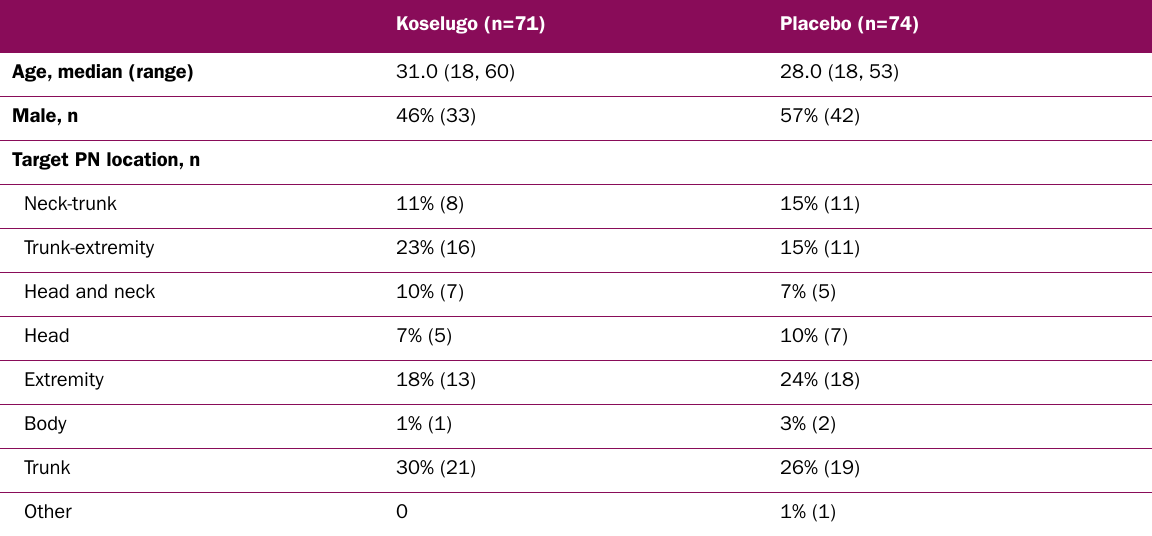
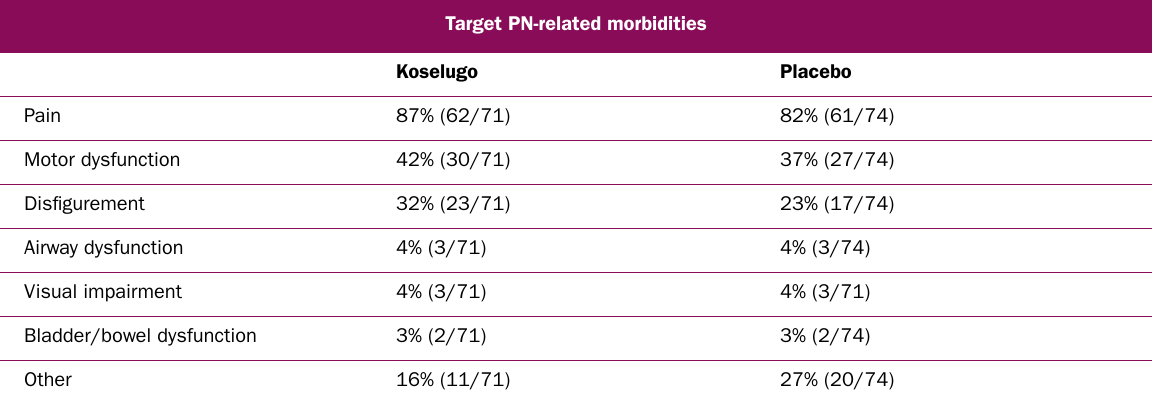
Airway, vision, and bowel/bladder morbidities were less frequent, affecting ≤4.2% of patients in both treatment groups.4
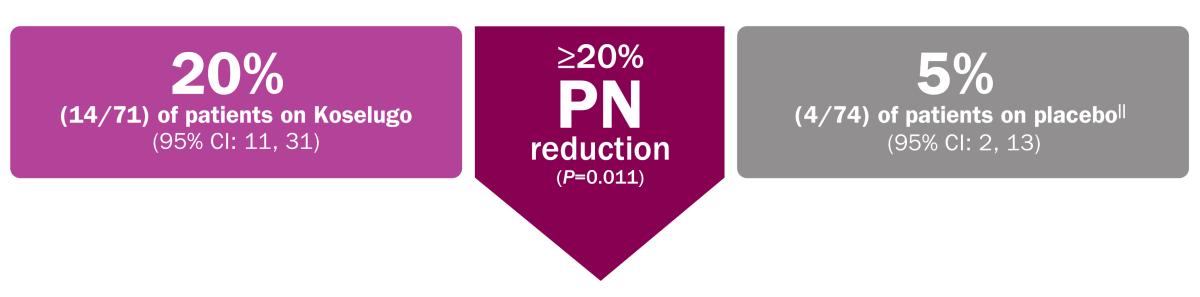
||Two out of 4 placebo responders had a confirmed partial response at Cycle 16, Day 28, after 4 cycles of Koselugo treatment.2
36.6% (SD: 11.3)2 Median: −33.9 (range: −58.1 to −22.6)2
Among responders (n=14):
Among responders (n=14):
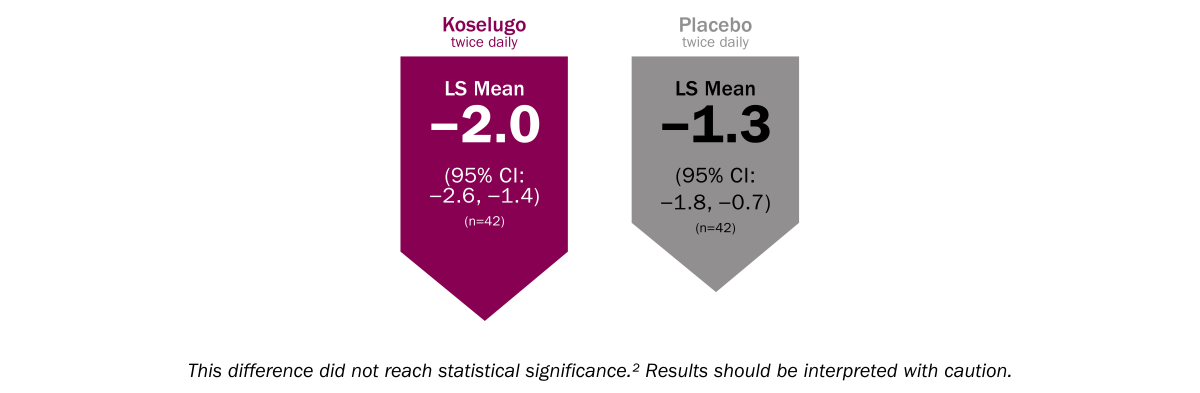
PAINS-pNF is an NF1-specific adaptation of the NRS-11 scale. During the study, participants completed a daily e-diary to rate their worst target PN pain intensity over approximately the past 24 hours by selecting a number between 0 (no tumor pain) and 10 (worst tumor pain possible).2
IMPORTANT SAFETY INFORMATION
WARNINGS AND PRECAUTIONS
Left Ventricular Dysfunction. Koselugo can cause cardiomyopathy, defined as a decrease in left ventricular ejection fraction (LVEF) ≥10% below baseline. In the pediatric safety pool, Grade 2 LVEF decrease occurred, as well as decreased LVEF of ≥20% resulting in dose interruption and dose reduction. In the adult population, Grade 2 LVEF decrease occurred, with decreased LVEF resulting in dose interruption. Assess ejection fraction by echocardiogram prior to initiating treatment, every 3 months during the first year of treatment, every 6 months thereafter, and as clinically indicated. Withhold, reduce dose, or permanently discontinue Koselugo based on severity of adverse reaction. In patients who interrupt Koselugo for decreased LVEF, obtain an echocardiogram or a cardiac MRI every 3 to 6 weeks until resolution. Upon resolution of decreased LVEF, obtain an echocardiogram or a cardiac MRI every 2 to 3 months.
Ocular Toxicity. Koselugo can cause ocular toxicity, including retinal vein occlusion (RVO), retinal pigment epithelial detachment (RPED), central serous retinopathy (CSR), and blurred vision. In the pediatric safety pool, blurred vision, photophobia, cataracts, ocular hypertension, and retinal tear occurred. Blurred vision resulted in dose interruption. Grade 1 asymptomatic transient subretinal fluid and Grade 1 retinopathy occurred. RPED occurred in the pediatric population during treatment with Koselugo and resulted in permanent discontinuation. In the adult population, blurred vision and vitreous floaters occurred in patients receiving Koselugo. Conduct ophthalmic assessments prior to initiating Koselugo, at regular intervals during treatment, and for new or worsening visual changes. Permanently discontinue Koselugo in patients with RVO. Withhold Koselugo in patients with RPED, conduct ophthalmic assessments every 3 weeks until resolution, and resume Koselugo at a reduced dose.
Gastrointestinal Toxicity. Koselugo can cause gastrointestinal toxicities, including diarrhea and colitis. In the pediatric safety pool (N=134), diarrhea occurred in 59% of patients, in addition to diarrhea resulting in permanent discontinuation and dose interruption. In the adult population (N=71), diarrhea occurred in 42% of patients who received Koselugo, in addition to diarrhea resulting in dose interruption. The median time to first onset of maximum CTCAE grade diarrhea was approximately 2 months in the pediatric safety pool and 1 month in the adult population. Advise patients to start an anti-diarrheal agent (eg, loperamide) and to increase fluid intake immediately after the first episode of diarrhea. Withhold, reduce dose, or permanently discontinue Koselugo based on severity of adverse reaction.
Skin Toxicity. Koselugo can cause severe rashes, including dermatitis acneiform. In the pediatric safety pool (N=134), rash occurred in 68% of patients. The most frequent rashes included dermatitis acneiform (47%) and maculopapular rash (31%). Pruritus, alopecia, and eczema occurred. In the adult population (N=71), rash occurred in 85% of patients who received Koselugo. The most frequent rash included dermatitis acneiform (66%). Alopecia and pruritus occurred in patients who received Koselugo. Grade 3 rash and rash resulting in dose interruption and dose reduction occurred in both the pediatric safety pool and the adult population. Permanent discontinuation also occurred in the adult population. Monitor for severe skin rashes. Withhold, reduce dose, or permanently discontinue Koselugo based on severity of adverse reaction.
Increased Creatine Phosphokinase (CPK). Koselugo can cause increased CPK, myalgia, and rhabdomyolysis. In the pediatric safety pool (N=134), increased CPK, based on laboratory data, occurred in 73% of patients, including Grade 3 or 4. In the adult population (N=71), increased CPK, based on laboratory data, occurred in 70% of patients who received Koselugo, including Grade 3 or 4. Increased CPK resulted in dose interruption and dose reduction in both the pediatric safety pool and adult population. Increased CPK concurrent with myalgia occurred in both populations, including one patient who permanently discontinued Koselugo for myalgia in the pediatric safety pool. Obtain serum CPK prior to initiating Koselugo, periodically during treatment, and as clinically indicated. If increased CPK occurs, evaluate for rhabdomyolysis or other causes. Withhold, reduce dose, or permanently discontinue Koselugo based on severity of adverse reaction.
Increased Levels of Vitamin E and Risk of Bleeding (Koselugo Capsules). Koselugo capsules contain vitamin E, which can inhibit platelet aggregation and antagonize vitamin K-dependent clotting factors. Supplemental vitamin E is not recommended if daily vitamin E intake (including the amount of vitamin E in Koselugo and supplement) will exceed the recommended or safe limits due to increased risk of bleeding. An increased risk of bleeding may occur in patients who are co-administered vitamin-K antagonists or anti-platelet antagonists with Koselugo capsules. Monitor for bleeding in these patients and increase international normalized ratio (INR) monitoring in patients taking a vitamin-K antagonist. Perform anticoagulant assessments more frequently and adjust the dose of vitamin-K antagonists or anti-platelet agents as appropriate. Koselugo oral granules do not contain vitamin E.
Embryo-Fetal Toxicity. Koselugo can cause fetal harm when administered during pregnancy. In animal studies, administration of selumetinib to mice during organogenesis caused reduced fetal weight, adverse structural defects, and effects on embryo-fetal survival at approximate exposures >5 times the human exposure at the clinical dose of 25 mg/m2 twice daily. Advise pregnant women of the potential risk to a fetus. Advise females of reproductive potential and males with female partners of reproductive potential to use effective contraception during treatment with Koselugo and for 1 week after the last dose.
ADVERSE REACTIONS
Common adverse reactions ≥40% in pediatric patients include vomiting, diarrhea, increased CPK, dry skin, paronychia, nausea, dermatitis acneiform, and pyrexia.
Common adverse reactions ≥40% in adult patients include rash (all), dermatitis acneiform, and diarrhea.
DRUG INTERACTIONS
Effect of Other Drugs on Koselugo
Concomitant use of Koselugo with a strong or moderate CYP3A4 inhibitor or fluconazole increased selumetinib plasma concentrations, which may increase the risk of adverse reactions. Avoid coadministration with Koselugo. If coadministration cannot be avoided, reduce Koselugo dosage.
Concomitant use of Koselugo with a strong or moderate CYP3A4 inducer decreased selumetinib plasma concentrations, which may reduce Koselugo efficacy. Avoid concomitant use with Koselugo.
SPECIAL POPULATIONS
Pregnancy & Lactation. Verify the pregnancy status of patients of reproductive potential prior to initiating Koselugo. Due to the potential for adverse reactions in a breastfed child, advise patients not to breastfeed during treatment with Koselugo and for 1 week after the last dose.
To report SUSPECTED ADVERSE REACTIONS, contact AstraZeneca at 1-800-236-9933 or at https://us-aereporting.astrazeneca.com or FDA at 1-800-FDA-1088 or at www.fda.gov/medwatch.
INDICATIONKOSELUGO is indicated for the treatment of adult and pediatric patients 1 year of age and older with neurofibromatosis type 1 (NF1) who have symptomatic, inoperable plexiform neurofibromas (PN).
Please see full Prescribing Information for Koselugo (selumetinib) at https://alexion.com/Documents/koselugo_uspi.pdf.